Meta Description:
Explore the complete breakdown of technical vs fundamental analysis forex strategies. Learn how traders use charts, economic indicators, global news, and price action to make smart forex decisions. Includes comparison tables, expert insights, FAQs, and links to trusted resources.
Introduction
The foreign exchange market (forex) is the world’s largest financial market, with daily trading volumes exceeding $7.5 trillion. Traders rely on two main analytical approaches when predicting currency movements: technical analysis and fundamental analysis. These strategies provide different methods of understanding how and why currency prices fluctuate.
This guide provides a deep exploration of technical vs fundamental analysis forex, comparing how both work, where each excels, and how pro traders combine them for stronger trade decisions.
What Is Forex Analysis?
Forex analysis involves studying movements, patterns, and global factors to forecast future currency price changes. Traders use analysis to:
- Identify trends
- Predict reversal points
- Understand market sentiment
- Manage risk
- Build consistent trading strategies
Forex analysis is divided into two primary categories:
- Technical Analysis
- Fundamental Analysis
Understanding the difference is crucial for building a profitable trading approach.
Technical Analysis in Forex Trading
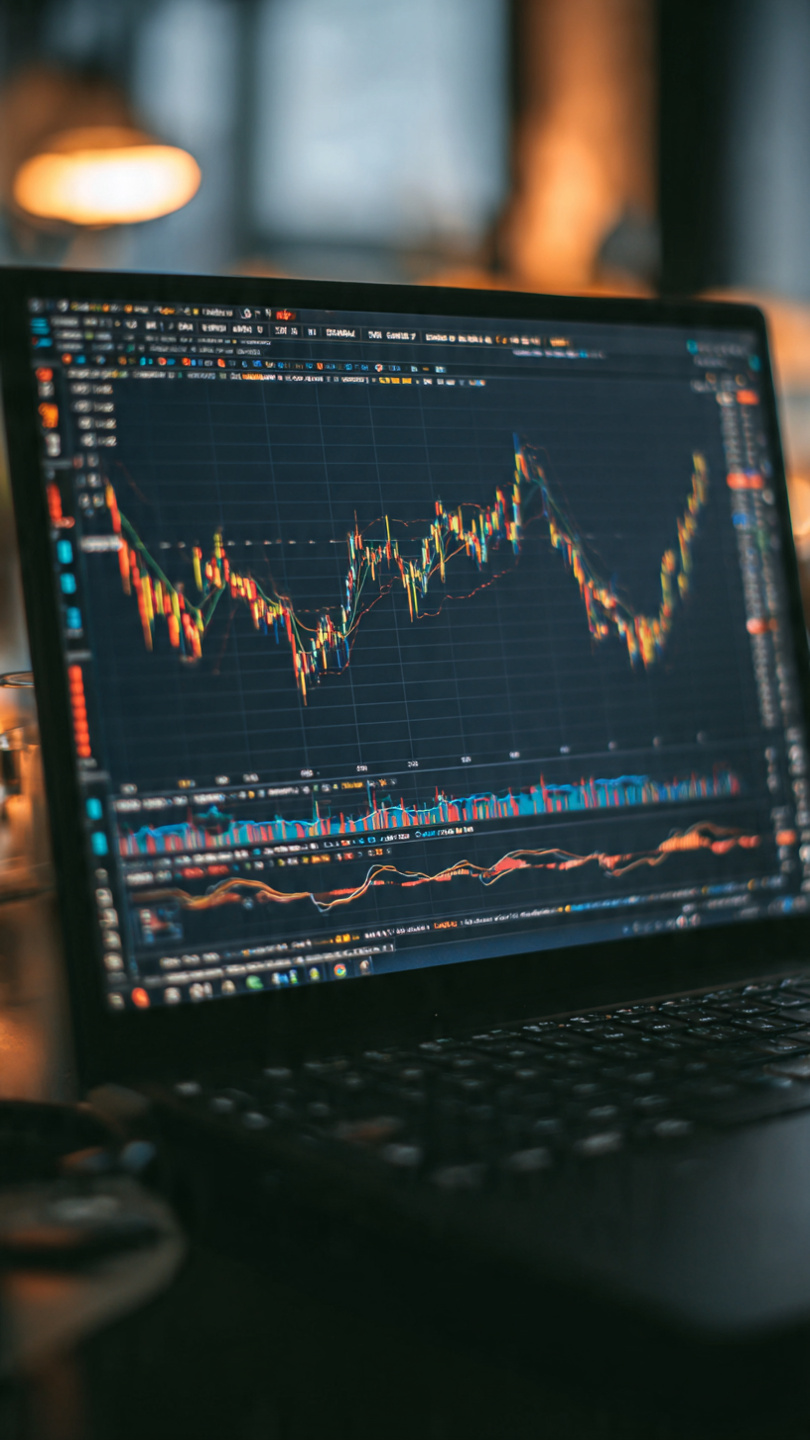
Technical analysis focuses on price charts, indicators, candlestick patterns, and market behavior. Instead of studying economic news, technical traders rely on historical price movements to predict future trends.
How Technical Analysis Works
Technical analysis is based on three core principles:
1. Market Discounts Everything
All available information is already reflected in price.
2. Prices Move in Trends
Currency movements often follow predictable directions—uptrend, downtrend, or sideways.
3. History Repeats Itself
Price patterns repeat because market psychology remains consistent.
Common Technical Analysis Tools
Here are the most widely used technical tools in forex:
• Candlestick Patterns
Examples:
- Doji
- Hammer
- Engulfing patterns
- Morning star
These patterns help traders anticipate bullish or bearish reversals.
• Indicators & Oscillators
| RSI | Measures overbought/oversold conditions |
| MACD | Identifies trend momentum |
| Moving Averages | Shows trend direction |
| Bollinger Bands | Measures volatility |
| Fibonacci Levels | Predicts pullbacks & targets |
• Chart Patterns
Well-known patterns include:
- Head and shoulders
- Double top/bottom
- Flags & pennants
- Triangles
- Wedges
These patterns reveal trend continuation or reversal zones.
• Support & Resistance Levels
Key price zones where markets historically reverse or consolidate.
Advantages of Technical Analysis
- Works on any timeframe
- Useful for scalping, day trading, swing trading
- Helps traders identify precise entry/exit points
- No need to track global news every hour
- Offers visual clarity through charts
Limitations of Technical Analysis
- Can produce false signals during low liquidity
- Indicators lag behind real price action
- Market can behave irrationally despite patterns
- Requires strong discipline and risk management
Fundamental Analysis in Forex
Fundamental analysis focuses on economic data, interest rates, geopolitical events, and global market sentiment. Instead of charts and indicators, fundamental traders study the economic strength of countries and their currencies.
How Fundamental Analysis Works
Fundamental traders analyze the real-world factors influencing currency value, such as:
- Economic growth
- Employment trends
- Inflation
- Interest rates
- Political stability
- Central bank policies
These factors reveal long-term market direction.
Key Fundamental Indicators in Forex
1. Interest Rates
Central banks like the Federal Reserve (US), ECB (Europe), and BOE (UK) influence currency strength.
Higher interest rates → stronger currency
Lower interest rates → weaker currency
2. GDP (Gross Domestic Product)
Shows a country's economic health.
3. CPI & Inflation Reports
Higher inflation usually leads to interest rate hikes.
4. Employment Data
The most important are:
- Non-Farm Payrolls (NFP) – USA
- Unemployment rates
5. Political Events
Elections, wars, sanctions, trade deals, etc.
6. Global News
Unexpected crises or economic shifts can radically move forex markets.
Authority Source
Learn more about economic indicators here:
https://www.investopedia.com/economic-indicators-4689743
Advantages of Fundamental Analysis
- Excellent for predicting long-term trends
- Helps understand major currency drivers
- Crucial during high-impact news events
- Reflects real economic value of currencies
- Great for position trading
Limitations of Fundamental Analysis
- Difficult for beginners
- Market reactions to news can be unpredictable
- Not suitable for scalpers
- Requires constant monitoring of global events
- Economic data can be revised or inaccurate
Technical vs Fundamental Analysis Forex — Detailed Comparison
Below is a clear comparison between the two methods:
| Focus | Price charts & indicators | Economic data & news |
| Best For | Short-term trading | Long-term predictions |
| Time Required | Chart study | Global news tracking |
| Tools Used | RSI, MACD, Moving Averages | GDP, NFP, inflation reports |
| Accuracy During Volatility | Moderate | Strong during news |
| Difficulty Level | Moderate | Advanced |
| Market Behavior | Trend-based | Economy-based |
Which One Is Better for Forex Trading?
There’s no single correct answer.
Both methods work, but for different purposes.
Use Technical Analysis When:
- Day trading or scalping
- You need precision entry/exit points
- Following clear price action patterns
Use Fundamental Analysis When:
- Trading long-term trends
- Understanding major market moves
- Holding trades during economic cycles
Why Smart Traders Combine Both Methods
Professional traders often blend both approaches for maximum accuracy.
This mixed strategy is called:
“Techno-Fundamental Trading”
Example:
Fundamentals show USD is strong → look for buy setups on USD pairs
Technical charts show a pullback → enter with precision
This combination improves win-rate significantly.
Technical vs Fundamental Analysis Forex: Real Market Example (EUR/USD)
Fundamental View:
If the European Central Bank signals a rate cut → EUR weakens
If the U.S. Federal Reserve signals rate hikes → USD strengthens
→ EUR/USD drops.
Technical View:
Charts may show:
- Downtrend
- Bearish engulfing pattern
- Resistance levels holding
→ Technical confirms the bearish trend.
Together, both analyses give a high-probability trade setup.
How Pro eSports Players Study Forex Charts (Modern Trend)
(Optional section but beneficial for modern readers)
Many gamers and eSports players have moved into forex trading because:
- Pattern recognition skills transfer easily
- Fast decision-making helps in volatile markets
- Many have flexible online careers
- Forex offers 24/5 global market access
This crossover makes technical vs fundamental analysis forex even more relevant for new-generation traders.
Common Mistakes Traders Make
Technical Analysis Mistakes:
- Overloading charts with indicators
- Ignoring price action
- Poor risk management
Fundamental Analysis Mistakes:
- Trading news blindly
- Ignoring long-term trends
- Misinterpreting economic data
Forex Trading Tips for Beginners
- Start with one trading strategy
- Avoid emotional trading
- Always use stop-loss
- Understand economic calendars
- Backtest every strategy
- Never rely on luck
FAQs – Technical vs Fundamental Analysis in Forex
Q1: Which analysis is best for beginners?
Technical analysis is easier for beginners because it uses simple chart visuals.
Q2: Can I trade forex using only technical analysis?
Yes, but major news events may still cause unexpected volatility.
Q3: Is fundamental analysis necessary for day trading?
Not always—however, awareness of major news is important.
Q4: Which analysis do banks and institutions use?
Mostly fundamental analysis combined with long-term economic forecasting.
Q5: Can technical and fundamental analysis be used together?
Yes, this combined method offers the highest accuracy.
Read next: [ Top 5 Mistakes That Blow Forex Accounts ]
'Business' 카테고리의 다른 글
| Psychology of Forex Trading – Control Your Emotions (0) | 2025.09.17 |
|---|---|
| Daily Forex Trading Plan Template (Download Free) (0) | 2025.09.16 |
| Best Forex Trading Books for Beginners (Free PDF Links) (0) | 2025.09.08 |
| Forex Trading Tax in Pakistan – Everything You Should Know (0) | 2025.09.02 |
| What is a Pip in Forex? Simple Explanation (0) | 2025.09.01 |