Meta Description:
Discover whether Forex trading is halal or haram in Islam from a Mufti’s perspective. Learn the Islamic rulings, conditions, and guidelines for Sharia-compliant currency trading.
Is Forex Trading Halal in Islam? A Mufti’s Perspective
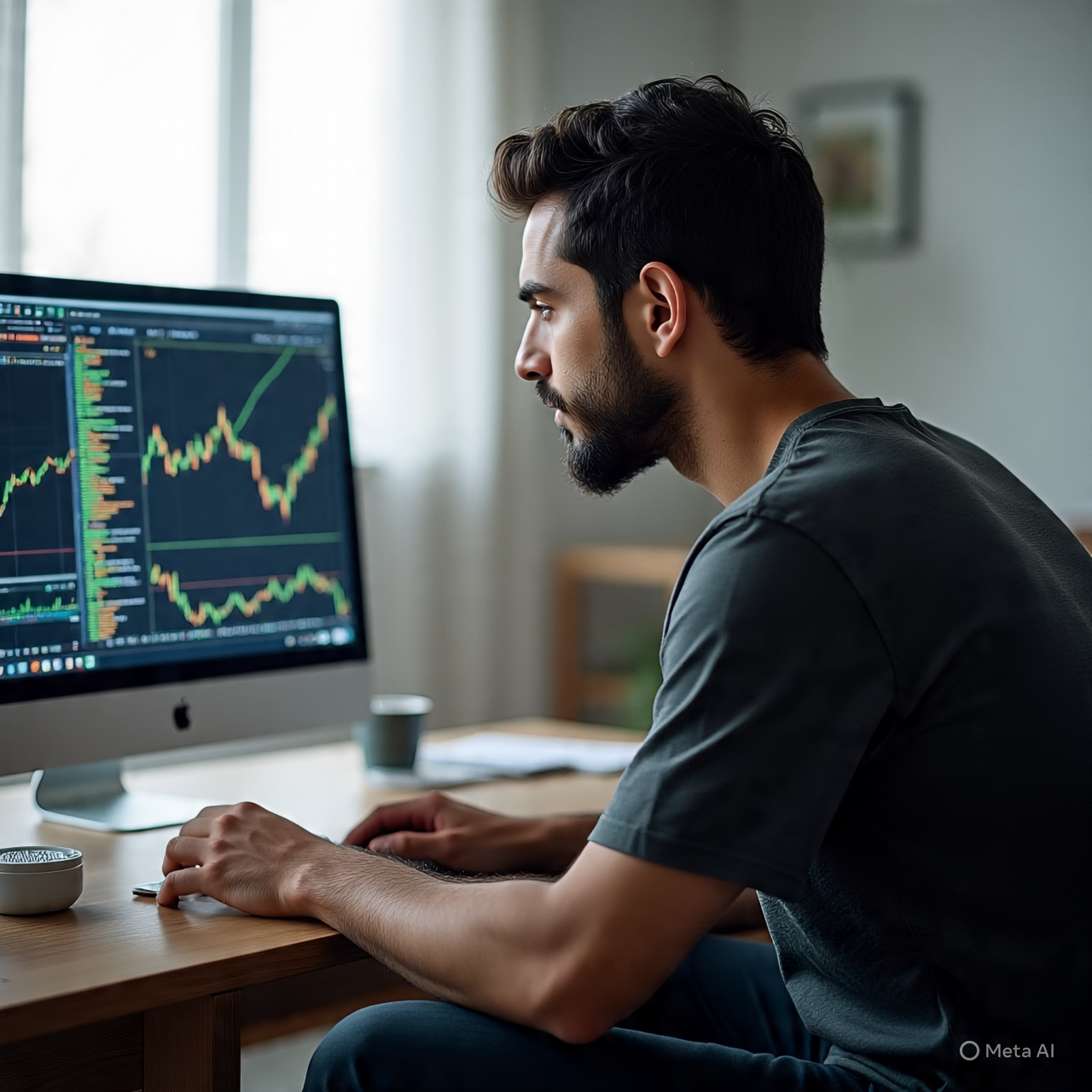
Forex trading, or the buying and selling of foreign currencies, has grown into one of the largest financial markets in the world.
But for Muslims, a crucial question arises: Is forex trading halal in Islam or is it haram?
From an Islamic perspective, this is not just about profit or loss—it’s about Sharia compliance. In this article, we will break down the scholarly views, highlight key conditions for halal trading, and explore the Mufti’s verdict on modern forex trading practices.
Understanding Forex Trading in Simple Terms
Forex trading (foreign exchange) involves exchanging one currency for another to benefit from price fluctuations.
For example:
If you believe the US Dollar (USD) will rise against the Euro (EUR), you buy USD and sell EUR. If your prediction is correct, you make a profit.
📌 External Reference: What is Forex Trading? – Investopedia
Islamic Ruling on Currency Exchange (Sarf)
In Fiqh (Islamic jurisprudence), currency exchange is referred to as Sarf. It is permissible under the following conditions:
| Immediate Exchange (Taqabud) | The transaction must be completed instantly, with no delay in transfer. |
| Equal Quantity (for same currency) | If exchanging the same currency, amounts must be equal. |
| No Interest (Riba) | Any interest-based element is strictly prohibited. |
If these conditions are met, currency trading can be halal.
Why Some Scholars Consider Forex Haram
Some Islamic scholars argue that modern forex violates these rules due to:
- Leverage & Margin Trading – Borrowing funds from brokers with interest (Riba).
- Speculation & Gambling (Maysir) – Excessive risk without productive economic activity.
- Swap Charges – Overnight interest charges on open positions.
📌 External Reference: Islamic Finance and Forex – IslamicFinanceGuru
Mufti’s Perspective on Forex Trading
A Mufti’s fatwa typically classifies forex trading as:
- Halal if:
- It involves spot trading (instant settlement).
- No leverage is used.
- No swap or interest is charged.
- Trades are backed by real currency ownership.
- Haram if:
- It involves interest-bearing loans.
- It’s purely speculative without any real asset backing.
- It includes prohibited elements like gharar (excessive uncertainty).
Halal vs Haram Forex – A Quick Comparison
| Spot Transactions | ✅ Allowed | ❌ Not applicable |
| Leverage & Margin | ❌ Not used | ✅ Used |
| Swap/Interest Charges | ❌ No | ✅ Yes |
| Real Ownership | ✅ Yes | ❌ No |
| Speculation Level | Low | High |
How to Ensure Your Forex Trading is Halal
If you wish to trade forex in a Sharia-compliant way, follow these guidelines:
- Choose an Islamic Forex Account (swap-free).
- Avoid margin trading with interest.
- Stick to spot transactions with instant settlement.
- Trade only in permissible currency pairs.
- Avoid over-speculation and gambling-like strategies.
📌 Internal Link: Guide to Forex Trading Strategies
Islamic Forex Brokers Offering Halal Accounts
Here are a few brokers that claim to offer Sharia-compliant accounts:
| XM Islamic Account | ✅ Yes | FCA, ASIC |
| AvaTrade Islamic | ✅ Yes | ADGM |
| Exness Islamic | ✅ Yes | CySEC, FCA |
📌 External Reference: List of Islamic Forex Brokers – ForexPeaceArmy
Final Fatwa – Is Forex Trading Halal in Islam?
From a Mufti’s viewpoint:
- Permissible only if it follows Islamic rules of currency exchange and avoids Riba, Gharar, and Maysir.
- Prohibited if it includes interest-based elements, speculative gambling, or delayed settlement.
In short: Forex can be halal if done properly, but haram if done with conventional broker setups.
FAQs – Is Forex Trading Halal in Islam?
Is forex trading allowed in Islam?
Yes, if done with spot transactions, no interest, and real currency ownership.
Are Islamic forex accounts really halal?
Only if they meet all Sharia conditions—always verify with a Mufti.
Is leverage allowed in Islamic forex?
No, because it usually involves interest-based borrowing.
Can Muslims trade crypto like forex?
Depends on the Mufti’s ruling—many consider it similar to currency trading with extra volatility.
Conclusion
The question "Is forex trading halal in Islam?" doesn’t have a one-size-fits-all answer. It depends entirely on how you trade and whether you comply with Islamic financial principles.
If you truly want to engage in forex as a Muslim, consult a qualified Mufti, use Islamic accounts, and avoid all forms of Riba and speculation.
Read next: [ What is leverage in forex ]
'Forex' 카테고리의 다른 글
| Withdraw forex profits to Easypaisa (0) | 2025.08.13 |
|---|---|
| What is Leverage in Forex (1) | 2025.08.12 |
| Start forex trading in Pakistan without investment (0) | 2025.08.09 |
| Top 5 Forex Brokers in Pakistan (2025) (0) | 2025.08.08 |
| Surviving the Ups and Downs of Forex Trading (0) | 2025.05.16 |